
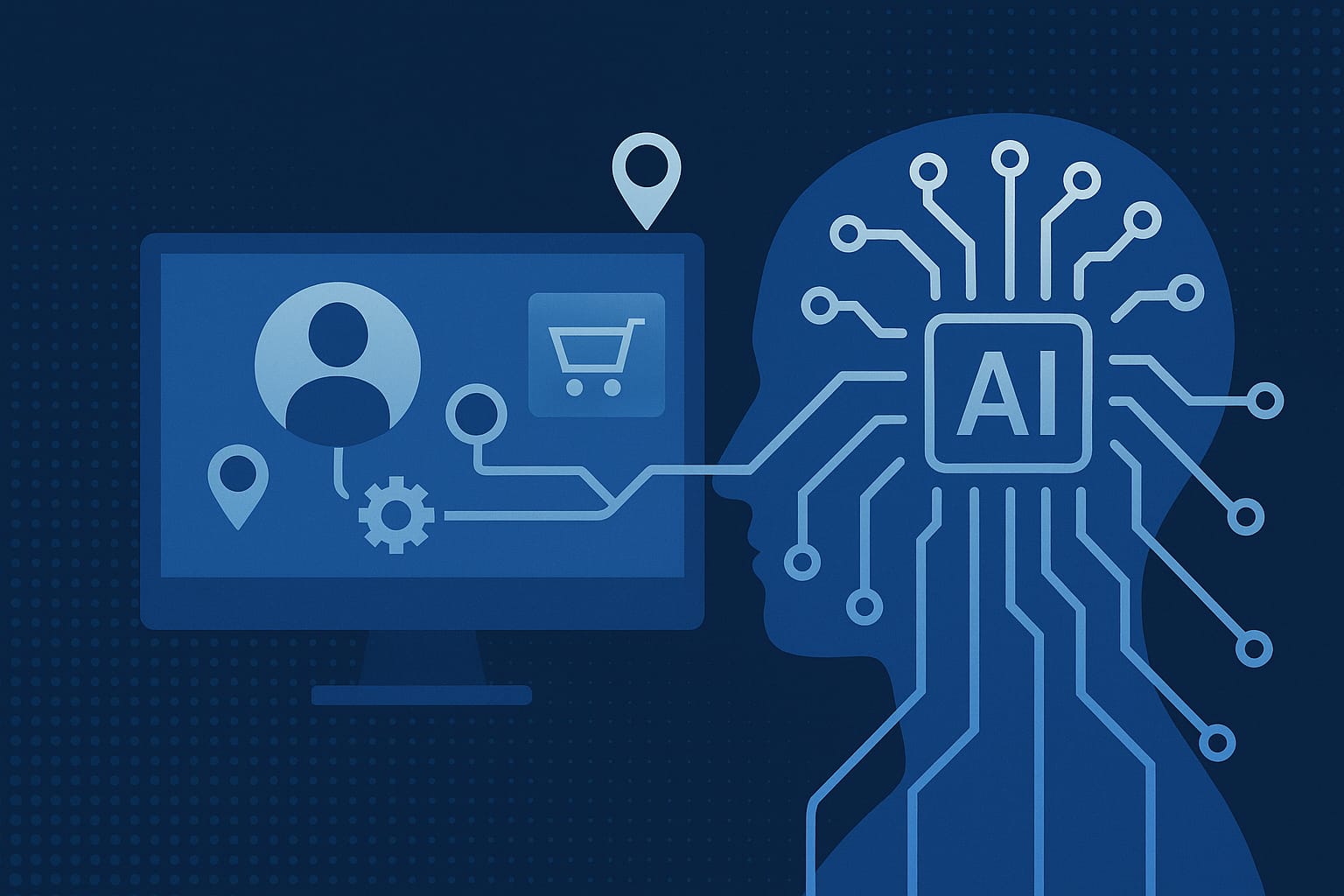
Personalized Marketing is transforming conversions and customer loyalty — this post shows concrete, practical steps to implement hyper personalization across channels and measure impact.
At Savoir Online Marketing Services, we recognize that 2026 is a pivotal year—generic marketing no longer cuts it. Modern customers expect personalized experiences that reflect their individual behaviours, preferences, and real-time intentions. Driven by cutting-edge AI and predictive analytics, hyper-personalization has emerged as the foundation of successful digital marketing strategies today.
What Is Hyper-Personalization?
Hyper-personalization goes beyond simple segmentation or inserting names in emails. It leverages AI and machine learning to deliver truly individualized content and offers by analyzing:
- Real-time user behavior
- Purchase and browsing patterns
- Engagement signals across channels
- Predictive intent cues
- Contextual factors like location, device, and time
The goal? Deliver the right message to the right person at exactly the right moment—automatically and seamlessly.
Why Hyper-Personalization Matters for 2026
- AI Has Levelled Up
Modern AI doesn’t just analyze data — it predicts actions, dynamically personalizes websites, and automates emails and ads based on live user intent rather than static lists. - Rising ROI Pressure
As advertising costs climb, hyper-personalization helps brands squeeze maximum value from every touchpoint—boosting engagement, conversions, and customer lifetime value while lowering acquisition costs. - Customers Expect Relevance
Audiences now expect brands to “get them.” Personalized experiences build trust and loyalty, while generic messaging causes disengagement.
Real-World Examples from Savoir’s Playbook
- Dynamic Websites: Content blocks that shift based on each visitor’s behavior and preferences.
- AI-Triggered Emails: Automated emails recommending products or offers instantly after a user browses.
- Predictive Reminders: Brands anticipating when customers will need to reorder products and sending timely notifications
How Small and Medium Businesses Can Start with Hyper-Personalization
At Savoir, we work closely with SMBs to implement practical, cost-effective personalization by:
- Leveraging first-party data from analytics, CRM systems, and customer surveys.
- Using AI-powered email marketing platforms like Klaviyo, HubSpot, and Mailchimp to automate personalized campaigns.
- Implementing on-site personalization tools such as Mutiny, Optimizely, or Adobe Target.
- Applying predictive analytics to identify high-potential customers and target them with tailored messaging.
Personalized Marketing: practical checklist
Implementing Personalized Marketing starts with data accuracy and consent-aware segmentation. Begin by consolidating customer touchpoint data, mapping key signals (behaviour, recency, lifetime value), and creating micro-segments. Use dynamic content blocks and recommendation engines to serve tailored experiences across email, site, and paid channels.
Operational steps we recommend:
- Centralize identity graphs and unify cross-device identifiers (while respecting privacy and consent).
- Create micro-segments and experiment with dynamic content variations.
- Use A/B and multi-armed bandit tests to validate lift from personalized creatives and recommendations.
- Instrument events to measure incrementality — track conversions, retention, and CLTV by segment.
For implementation references and best practices, see plain resources such as HubSpot’s personalization guides and Salesforce’s personalization resources, which cover tactics and data patterns we use. These guides are practical starting points and outline privacy considerations and measurement approaches.
See our Services page for personalized marketing audits and strategy work, or read related case studies on our Blog. If you want a tailored plan, contact us and we’ll provide an audit and prioritized roadmap.
Challenges and Ethical Considerations
- Data Privacy: Always prioritize transparency and responsible data collection.
- Avoid Over-Automation: Human creativity and brand voice must guide AI outputs.
- Maintain Brand Consistency: AI-driven content should align with your brand’s personality and values.
Final Thoughts from Savoir
Hyper-personalization in 2026 is no longer optional—it’s a competitive necessity. Brands that embrace AI-powered, intent-driven customer experiences will see stronger engagement, higher conversion rates, and lasting loyalty.
At Savoir Online Marketing, we help businesses harness AI and hyper-personalization to deliver the right experience at the right time. The future of marketing is personal, predictive, and powered by AI—and we’re here to guide you every step of the way.
Further reading & official resources
- Google — SEO Starter Guide
- HubSpot — Personalization strategy guide
- Salesforce — Personalization resources
- McKinsey — The value of personalization